AI History
1950s
Alan Turing and John McCarthy pioneer AI concepts.
Turing Test
Proposed in 1950 to evaluate machine intelligence.
Ongoing Impact
Turing Test remains a cornerstone in AI evaluation.


AI Evolution Phases
Rule-based Programming
Early AI systems followed predefined rules.
Machine Learning
AI learns from data with minimal human intervention.
Neural Networks
Complex systems mimicking human brain function.
Generative AI
Creates new, original content based on learned data.


Specialized to Generalized AI
Specialized Tasks
Early AI focused on narrow tasks like playing chess or recognizing patterns in images.
Adaptive Learning
AI evolved to learn from data and adapt to new situations, making it more flexible.
Generalized Use
The latest AI systems can perform a wide range of tasks, making them more applicable across different fields.


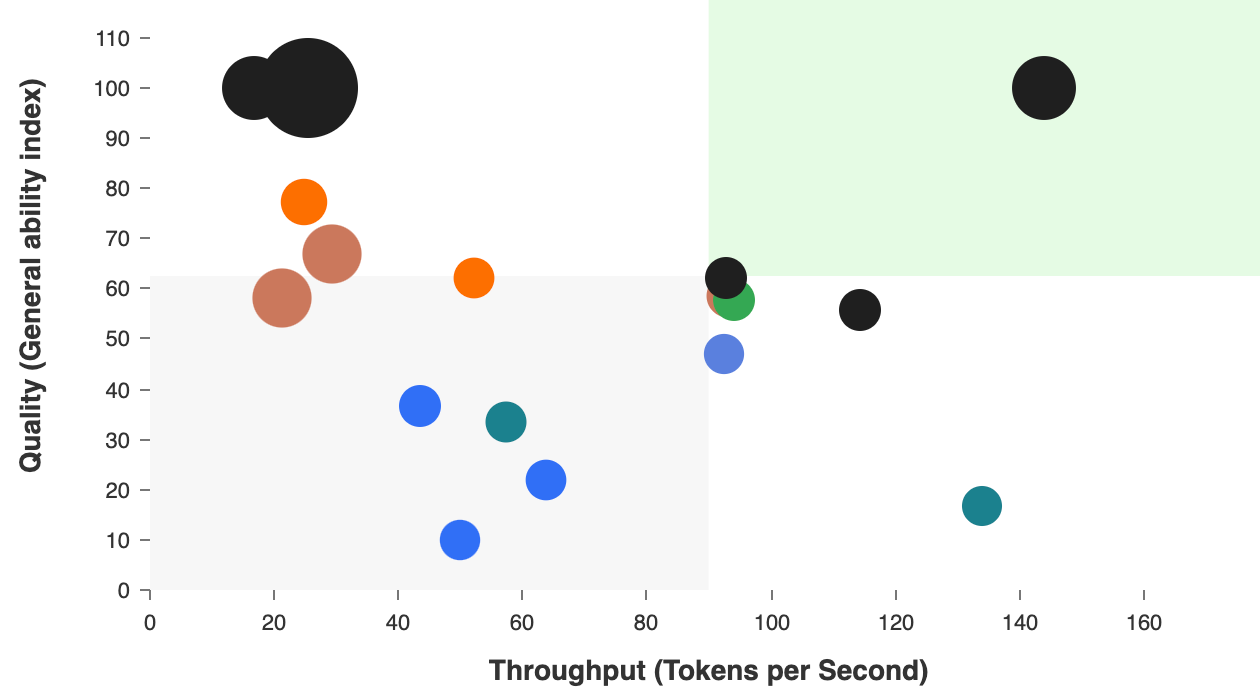
LLM Training Process
Pre-training
Exposure to extensive textual corpora.
Pattern Recognition
Learning language structures and patterns.
Fine-tuning
Optimization for specific tasks with targeted data.
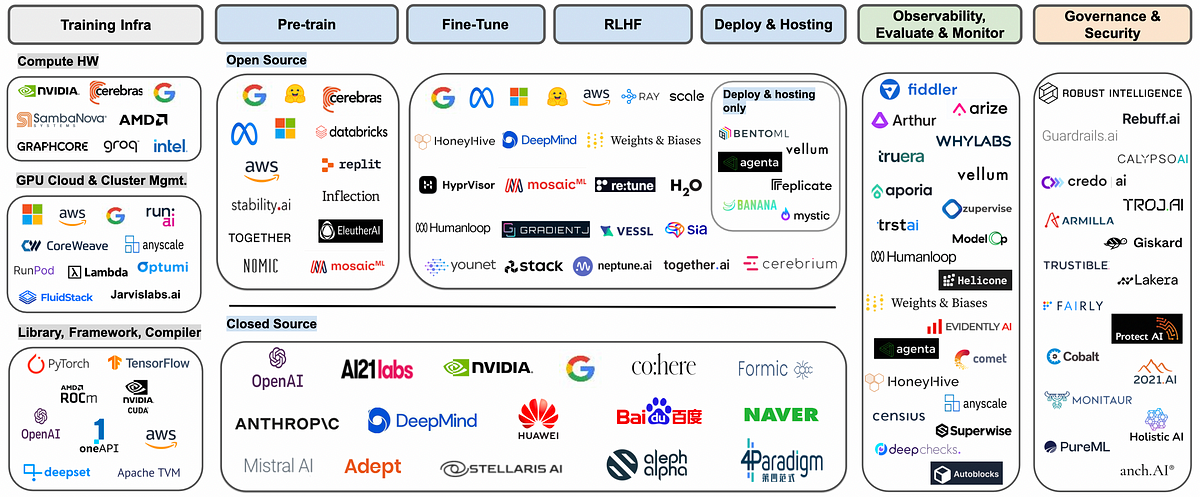


Understanding Tokens
Definition
Basic units of language processed by LLMs.
Composition
Pieces of words, including spaces and sub-words.
Importance
Token limits influence LLM-generated content depth.


NVIDIA Technical Blog
How to Get Better Outputs from Your Large Language Model | NVIDIA Technical Blog
Large language models (LLMs) have generated excitement worldwide due to their ability to understand and process human language at a scale that is unprecedented. It has transformed the way that we…

help.openai.com
What are tokens and how to count them? | OpenAI Help Center
Tokens can be thought of as pieces of words. Before the API processes the request, the input is broken down into tokens. These tokens are not cut up exactly where the words start or end - tokens can include trailing spaces and even sub-words. Here are some helpful rules of thumb for understanding tokens in terms of lengths:
LLM Parameters
Temperature
Controls model creativity and randomness.
Top-k
Limits token selection to top k probabilities.
Top-p
Controls cumulative probability for token selection.








Ithaka S+R
Generative AI Product Tracker - Ithaka S+R
The Generative AI Product Tracker lists generative AI products that are either marketed specifically towards postsecondary faculty or students or appear Stay up-to-date with the emerging tech for higher education. Explore our Product Tracker tool for information, pricing models, key features, and more on the generative AI tools for teaching, learning, and research.

AI in Education: Opportunities
Personalized Learning
AI adapts content to individual student needs.
Automated Grading
Efficient assessment of assignments and exams.
Virtual Tutors
24/7 AI-powered assistance for students.
Data-Driven Insights
Analytics to improve teaching methods and curricula.






AI and Generative AI – Uses and Applications in Education